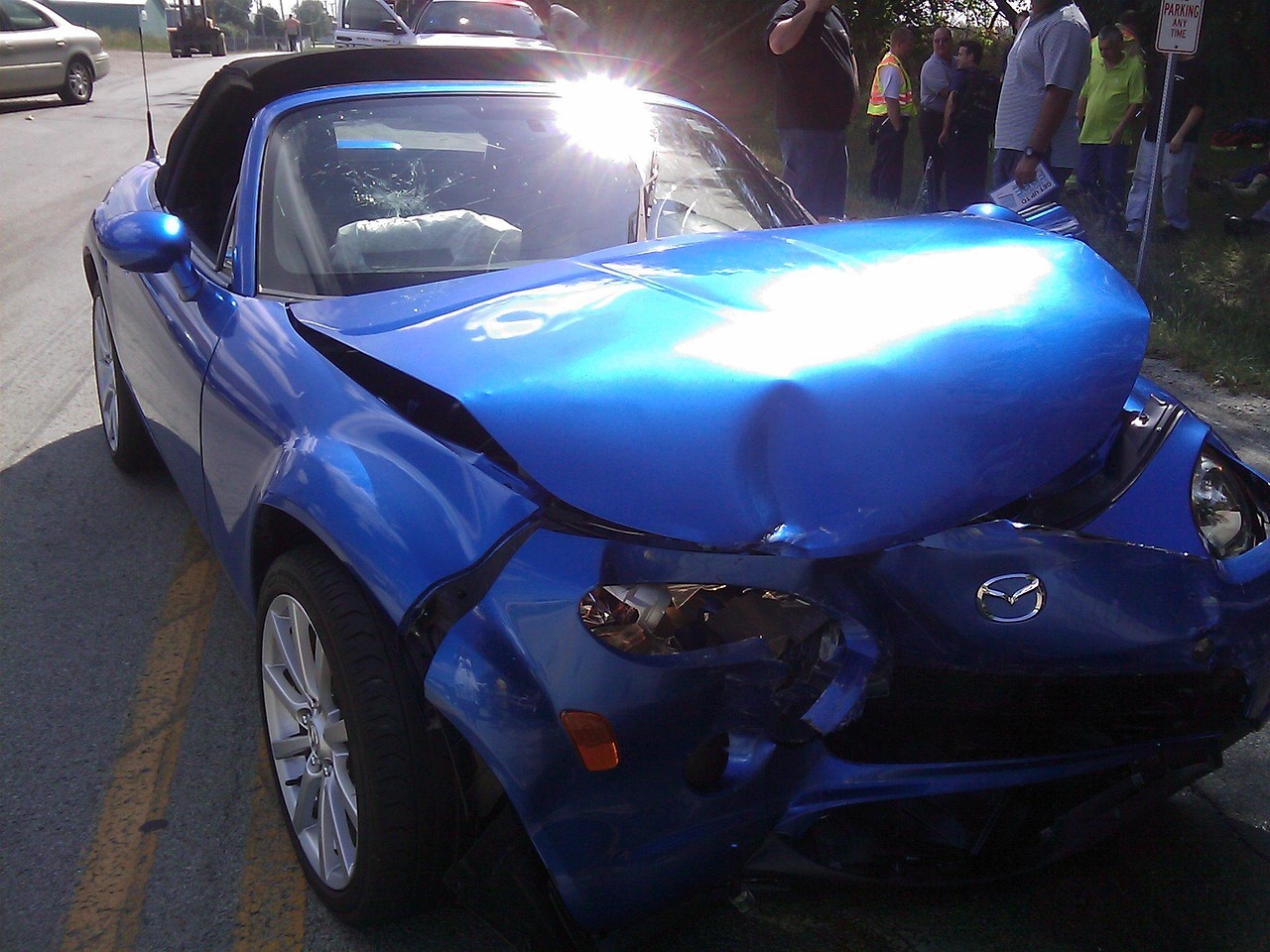
Drunk driving (learn more) (discover more) is operating a vehicle while impaired by alcohol. It’s illegal and dangerous because it significantly slows reaction times, impairs judgment, and increases the risk of accidents, causing potential harm to the driver, passengers, and others on the road. Always remember, never drive after drinking.
Key Takeaways
- Impaired driving can have severe consequences, including fatal accidents and legal penalties.
- Even a small amount of alcohol can impair judgment and reflexes, increasing the risk of crashes.
- The best protection is a designated driver or using ride-sharing services when consuming alcohol.
- Strict laws and zero-tolerance policies deter drunk driving but need public awareness for effectiveness.
- Victims of drunk driving can seek support from advocacy groups and legal assistance for healing and justice.
- Preventing drunk driving involves collective responsibility, including responsible drinking and reporting impaired drivers.
Drunk driving remains a persistent and grave public safety concern worldwide. Despite decades of awareness campaigns and stricter laws, the incidence of impaired driving continues to pose significant risks to road users and communities. This article delves into the multifaceted problem of drunk driving, exploring its causes, consequences, and the latest strategies aimed at deterrence and prevention. By examining data, trends, and expert insights, we aim to provide a comprehensive understanding of this critical issue and offer potential solutions to mitigate its devastating effects.
- Understanding the Risks of Drunk Driving
- Laws and Consequences: Prevention in Action
- Impacts and Stories: Real-Life Lessons Learned
Drunk Driving Accident Lawyer in Los Angeles: Where to Start
Looking for drunk driving accident lawyer in Los Angeles, LA? drunk driving accident lawyer serves the local area and can answer questions specific to Los Angeles.
Understanding the Risks of Drunk Driving

Drunk driving, a seemingly harmless act for some, carries profound risks that often go underestimated. In the vibrant city of Los Angeles, where hustles and bustles are part of the daily rhythm, it’s crucial to understand the true cost of taking the wheel while impaired. The question, "Is Drunk Driving worth it in LA?" should never be considered lightly, given the potential consequences. Not only does it threaten the driver’s life but also puts countless others at severe risk.
The dangers are well-documented. According to NHTSA data, drunk driving fatalities in the U.S. peaked at 37,461 in 2013, highlighting the severe impact of this behavior. In Los Angeles, the picture is equally concerning. The Los Angeles Police Department (LAPD) reports a significant number of traffic fatalities linked to alcohol each year, emphasizing that drunk driving is not a rare occurrence but a pervasive issue. The cost of such reckless behavior extends beyond lives lost; it includes severe legal repercussions and significant financial burdens. The price of a few drinks can lead to fines, license suspension, and even imprisonment, not to mention the potential for civil lawsuits. Furthermore, the impact on one’s future, career, and personal relationships can be devastating, with long-lasting effects that may require professional counseling and support.
Instead of asking, "How much does Drunk Driving cost?" individuals should focus on the question, "Do you actually need to drive drunk?" The answer is always a resounding no. Safe and responsible alternatives, such as designated drivers, ride-sharing services, or public transportation, are readily available and effective. In a city like Los Angeles, where diverse transportation options thrive, there is no excuse for risking lives on the road due to alcohol consumption. By making informed choices and holding ourselves and others accountable, we can collectively reduce drunk driving incidents and create safer communities.
Laws and Consequences: Prevention in Action
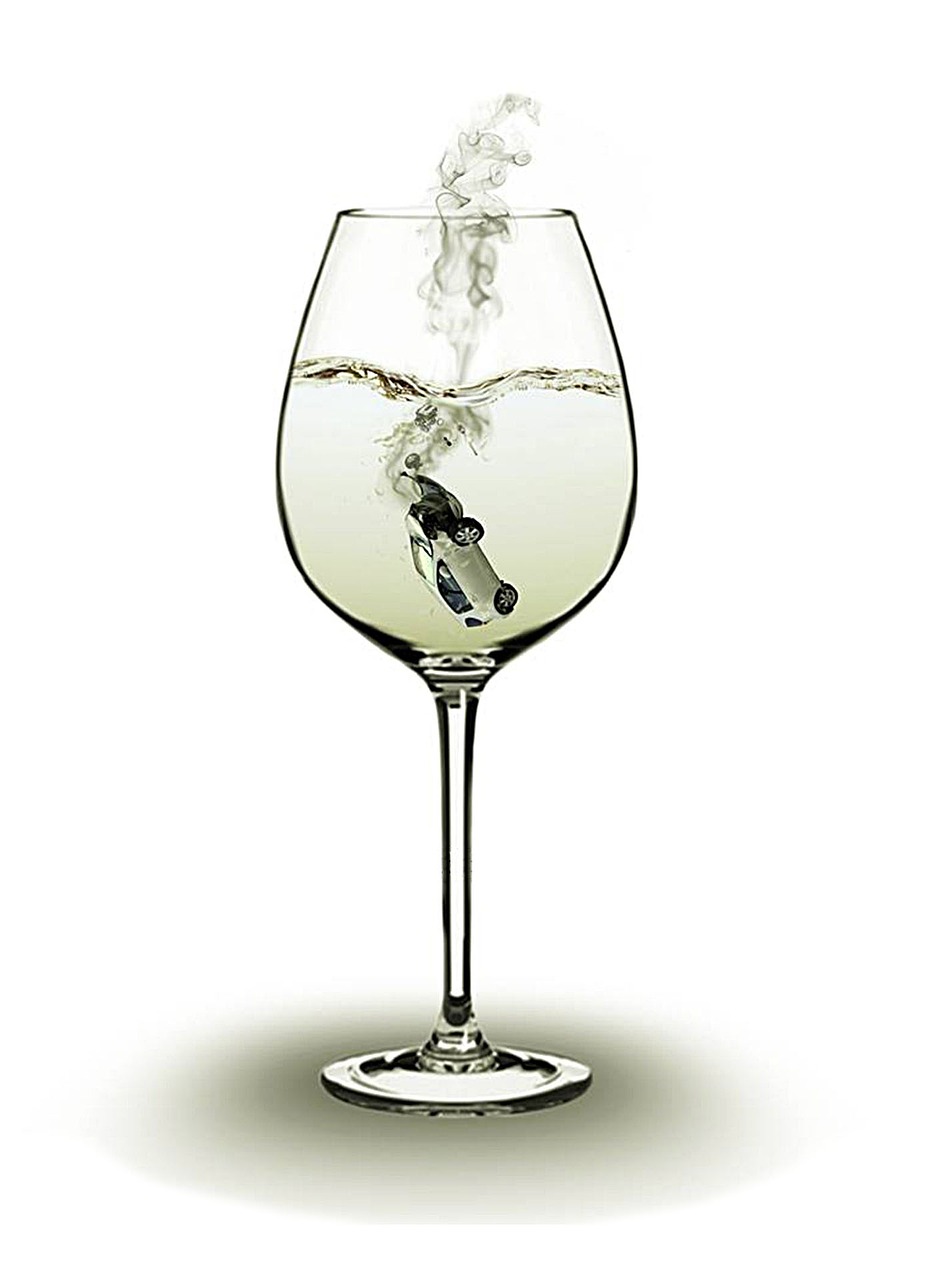
Drunk driving laws and consequences play a pivotal role in preventing this dangerous behavior. In Los Angeles, for instance, the legal blood alcohol limit (BAC) is 0.08% for drivers aged 21 and above. This stringent rule underscores the state’s zero-tolerance policy towards impaired driving. Violations can lead to severe penalties, including substantial fines, license suspension or revocation, and even jail time. The impact of these consequences serves as a powerful deterrent, reflecting the serious nature of drunk driving.
Prevention efforts in Los Angeles take various forms. Educational campaigns aimed at raising awareness about the dangers of combining alcohol and driving have become commonplace. These initiatives often include public service announcements, community outreach programs, and school-based education to target different demographics. Additionally, law enforcement agencies conduct regular sobriety checkpoints and increased patrols during high-risk periods, such as weekends and holidays, to deter potential drunk drivers.
Choosing a safe mode of transportation when planning to consume alcohol is paramount. In Los Angeles, options like designated drivers, ride-sharing services, or public transportation can help ensure a safe journey home. These alternatives empower individuals to make responsible decisions while enjoying their evening out, preventing the potentially devastating consequences of drunk driving. It’s crucial to remember that how long it takes for alcohol to impair judgment varies among individuals, with factors like body weight and tolerance playing a role. Therefore, planning ahead and choosing a safe travel option is essential, regardless of how quickly one metabolizes alcohol in Los Angeles or any other location.
Impacts and Stories: Real-Life Lessons Learned

Drunk driving, a reckless act with profound consequences, leaves an indelible mark on individuals, families, and communities. The impact extends far beyond the immediate moment of decision, shaping lives and communities in unforeseen ways. In Los Angeles, as in many urban centers, the drunk driving process involves stringent legal procedures, from field sobriety tests to blood or breath analysis, aiming to deter and punish those who endanger others on the road. However, what truly drives home the severity of this issue are the real-life stories that emerge from it.
Consider Sarah’s narrative: a promising young professional, now facing severe repercussions after a night of careless celebration. Her story serves as a stark reminder that one momentary decision can have lifelong repercussions, affecting not just her but also her loved ones. The data bears this out; according to recent statistics, drunk driving accidents lead to thousands of fatalities and countless injuries annually, with repeat offenders posing increased risks. This underlines the critical importance of understanding the implications beyond the immediate arrest—the long-term effects on individuals and society as a whole.
Moreover, the question arises: is drunk driving worth it in Los Angeles? The answer, unequivocally, is no. Despite potential short-term gains, the legal penalties, insurance surcharges, and emotional scars far outweigh any perceived benefits. Many find themselves trapped in a cycle of poor decision-making, driven by peer pressure or the allure of the unknown. However, through education, support groups, and access to resources like counseling and rehabilitation, individuals can break free from this cycle. It’s not about simply avoiding punishment but fostering personal growth and responsible behavior for the safety of all road users.
Frequently Asked Questions About Drunk Driving
What is drunk driving?
Drunk driving, also known as driving under the influence (DUI) or operating a vehicle while intoxicated (OWI), refers to the act of getting behind the wheel with a blood alcohol content (BAC) above the legal limit. This behavior endangers both the driver and other road users due to impaired judgment, coordination, and reaction time.
What is the legal blood alcohol limit?
The legal BAC limit varies by jurisdiction but generally stands at 0.08% for adults in most countries. For commercial drivers or minors, the limit is often stricter (e.g., 0.04%). A BAC above this threshold indicates intoxication and impairs driving ability significantly.
What are the consequences of getting caught drunk driving?
Consequences can be severe and include heavy fines, license suspension or revocation, jail time, and mandatory alcohol education or treatment programs. Repeated offenses may result in longer sentences and permanent driving bans. The impact extends beyond legal penalties, affecting personal relationships and future opportunities.
How does alcohol affect driving abilities?
Alcohol impairs multiple aspects of driving:
- Reaction Time: Slower reaction times increase the risk of accidents.
- Judgment: Impaired judgment leads to poor decisions on the road.
- Vision: Alcohol can distort vision and reduce depth perception.
- Coordination: Fine motor skills are affected, impacting steering and braking.
Is it safe to drive after just a few drinks?
No, even a small amount of alcohol can impair driving ability. It’s important to understand that there is no safe level of drink driving. Even if you feel okay, your judgment and reflexes may be significantly compromised, putting you and others at risk.
What are some alternative transportation options when drinking?
Designated drivers, ride-sharing services, taxi companies, public transportation, or arranging a sober friend to pick you up are all responsible alternatives to driving under the influence. Prioritizing safety ensures a enjoyable night out without risking lives on the road.
Drunk driving is a pervasive issue with severe consequences, as highlighted by the risks, laws, and impacts discussed in this article. Understanding the dangers associated with impaired driving is paramount to preventing tragedies. The legal repercussions serve as deterrents, underscoring the societal cost of such actions. Personal stories from victims emphasize the profound impact on lives, offering a powerful reminder of the real-world effects of drunk driving. By recognizing these risks and consequences, individuals can make informed decisions, potentially saving lives and avoiding severe penalties. This article serves as a comprehensive guide, empowering readers to take proactive steps towards safer roads and communities.
Omega Law Group Accident & Injury Attorneys
704 S Spring St #1105, Los Angeles, CA 90014
+12138163691
View Omega Law Group Accident & Injury Attorneys on Google Maps
How to get to Omega Law Group Accident & Injury Attorneys from Ralphs
Coming from Ralphs? you're only a few minutes from Omega Law Group Accident & Injury Attorneys. Head out on S Western Ave and you'll find us on S Spring St #1105 at 704 S Spring St #1105, Los Angeles, CA 90014. Use the map below for turn-by-turn directions.