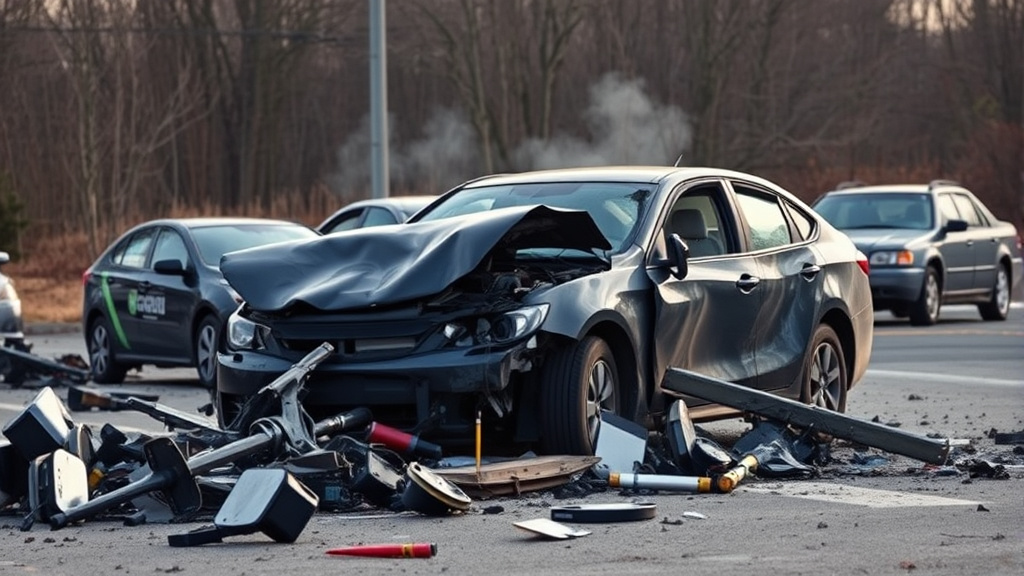
At a glanceYou do not need Drunk Driving. It’s illegal and dangerous, leading to severe injuries or fatalities. Alcohol impairs judgment, reflexes, and coordination—never get behind the wheel after drinking. Safer alternatives exist, such as designated drivers, ride-sharing services, or public transportation, ensuring everyone arrives home safe and sound.
Key Takeaways
- Drunk driving is never a viable option and significantly increases the risk of accidents and injuries.
- Impaired judgment and reduced reaction times due to alcohol make driving dangerous for the driver and others on the road.
- Legal consequences, including fines, license suspension, and potential jail time, serve as deterrents but may not prevent repeat offenses.
- Public awareness campaigns and strict enforcement of laws are crucial in promoting safe driving practices.
- Supporting responsible drinking culture and alternative transportation options can help reduce drunk driving incidents.
- Data shows that designated drivers or ride-sharing services can effectively decrease the prevalence of drunk driving.
- Long-term solutions involve community education and advocacy for mental health support to address underlying issues contributing to impaired driving.
Drunk Driving remains a pervasive and critically important issue globally, with devastating consequences for individuals, families, and communities. The problem is multifaceted, involving not only legal and public safety concerns but also profound social and economic impacts. Despite ongoing efforts to raise awareness and enforce strict laws, many individuals still engage in this risky behavior. This article delves into the root causes of Drunk Driving, examines its far-reaching effects, and offers a comprehensive solution that combines stringent legislation, community education, and innovative interventions to address this complex challenge.
Drunk Driving Accident Lawyer in Los Angeles: Where to Start
Looking for drunk driving accident lawyer in Los Angeles, LA? drunk driving accident lawyer near me serves the local area and can answer questions specific to Los Angeles.
Understanding the Impact of Drunk Driving
Drunk driving, a pervasive and dangerous issue, has far-reaching consequences that extend well beyond the immediate moments of recklessness. Understanding these impacts is crucial for appreciating the need for responsible transportation alternatives in densely populated areas like Los Angeles. When individuals engage in drunk driving, they not only endanger their own lives but also those of fellow road users and bystanders. The risks are significant: according to the National Highway Traffic Safety Administration (NHTSA), in 2020, alcohol-impaired driving fatalities accounted for 28% of all traffic deaths in the United States, highlighting the severe problems it poses.
In Los Angeles, where a vibrant yet bustling urban landscape thrives, the issues associated with drunk driving are particularly pertinent. The city’s vast network of roads and highways, alongside its lively nightlife and diverse cultural events, can unfortunately facilitate situations where individuals make poor decisions regarding alcohol consumption and driving. What problems should you aim to avoid? Well, consider this: police reports often reveal that many drunk driving incidents involve speeding, failure to stop at red lights or stop signs, and reckless maneuvering, leading to severe accidents and injuries. Moreover, the legal repercussions are substantial, with stiff fines, license suspensions, and even imprisonment serving as deterrents but also as consequences for those who engage in such risky behavior.
Before considering hiring a service related to drunk driving, it’s essential to ask critical questions that underscore responsible transportation options available in Los Angeles. For instance, "Is the company committed to promoting safe travel practices?" and "Do they offer alternative solutions for individuals who have been drinking?" Asking these questions encourages providers to prioritize safety and well-being over profit margins. Alternatives to drunk driving include ride-sharing services, designated drivers, taxi services, and public transportation—all of which ensure a safer urban environment by reducing the number of impaired drivers on the road. By opting for these responsible choices, Los Angeles residents and visitors can contribute to a tapestry of safety, fostering a vibrant and secure community.
Legal Implications and Consequences
Drunk Driving, or Is Drunk Driving worth it in Los Angeles?, carries severe legal implications and consequences, regardless of location. In the case of Los Angeles, one of the most populous cities in the United States, the penalties for operating under the influence (OUI) are stringent. According to the California Department of Motor Vehicles, a first-time OUI offense can result in fines ranging from $1,000 to $2,000, a license suspension of up to 6 months, and potential jail time of up to a year. Subsequent offenses can lead to extended suspensions, higher fines, and even mandatory ignition interlock devices. These penalties are not merely theoretical; data from the National Highway Traffic Safety Administration (NHTSA) reveals that in 2020, 1,088 people were killed in alcohol-impaired driving crashes in California, emphasizing the gravity of the issue.
What to expect from Drunk Driving in Los Angeles involves more than just legal repercussions. The experience can be life-altering, affecting one’s freedom, finances, and future prospects. Those convicted often face challenges finding affordable insurance, which can make commuting to work or school difficult. Moreover, a criminal record for Drunk Driving can impact job opportunities, housing, and even personal relationships. This is particularly relevant in a city like Los Angeles, known for its diverse and dynamic social scene, where a conviction could significantly hinder social integration.
Alternatives to Drunk Driving in Los Angeles are abundant and accessible. Public transportation, including buses, trains, and ride-sharing services, offers safe and reliable options for those who have been drinking. Many communities also have designated drivers programs, where volunteers agree to be sober drivers for those who have been drinking. Additionally, taxicab services and ride-hailing apps like Uber and Lyft provide convenient, licensed options for individuals who choose to drink responsibly. These alternatives not only circumvent the legal and personal consequences of Drunk Driving but also contribute to safer streets and a more vibrant, sustainable city.
| Factor | What to know |
|---|---|
| Alcohol-related fatalities | 28% of all US traffic deaths in 2020 (NHTSA) |
| California deaths (2020) | 1,088 killed in alcohol-impaired crashes |
| First-time OUI fine | $1,000 to $2,000 in California |
| License suspension | Up to 6 months for first offense |
| Potential jail time | Up to one year for first offense |
| Safer alternatives | Designated drivers, ride-sharing, taxis, public transportation |
Prevention Strategies and Safe Alternatives
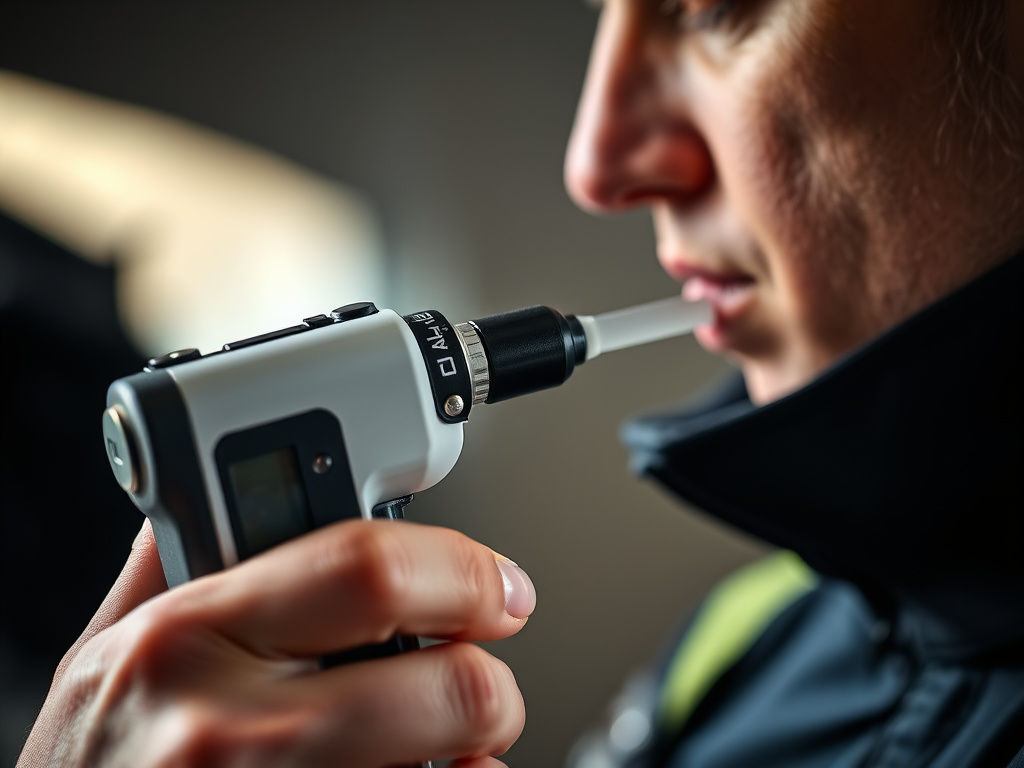
Drunk driving is a serious issue with devastating consequences, but understanding prevention strategies and safe alternatives is crucial. The process of Drunk Driving in Los Angeles involves a series of steps, including police detection through sobriety tests or chemical testing, arrest, booking, court appearances, and potential penalties such as fines, license suspension, or even jail time. What to expect from Drunk Driving can vary greatly depending on individual circumstances, but the overall experience is stressful and far-reaching in its impact. It typically takes 1-3 hours for the entire process, from initial stop to release, due to court backlogs and administrative procedures.
Prevention starts with awareness and education. According to NHTSA data, over 90% of drivers say they would never drive drunk, yet many still do. This disconnect highlights the need for ongoing public awareness campaigns that emphasize the immediate dangers and long-term consequences, including potential loss of life, severe injury, and permanent disability. Safe alternatives are abundant and accessible; designated drivers, ride-sharing apps, taxis, and public transportation all provide viable options. Many cities also offer "Taxi Vouchers" or "Rideshare Discounts" to encourage responsible choices.
Implementing these strategies requires collective effort from individuals, communities, and law enforcement. Regular conversations about the impact of drunk driving within families and social groups can help foster a culture of responsibility. Community-based initiatives like sobriety checkpoints and educational programs in schools and bars can also play a significant role. Additionally, leveraging technology through apps that reward responsible behavior or track safety can empower individuals to make informed decisions, ensuring they and their loved ones stay safe on the roads.
Frequently Asked Questions About do you actually need Drunk Driving
What is drunk driving and why is it a concern?
Drunk driving, also known as driving under the influence (DUI) or operating a vehicle while intoxicated (OVWI), is the act of getting behind the wheel while impaired by alcohol. It is a significant concern due to the increased risk of accidents, injuries, and fatalities. Alcohol impairs judgment, reflexes, and coordination, making it extremely dangerous for the driver, passengers, and other road users.
Isn’t it legal to drive if I’m not over the legal limit?
No, even if your blood alcohol content (BAC) is below the legal limit, driving while impaired is dangerous and illegal. The legal limit varies by jurisdiction, but even minimal amounts of alcohol can affect your abilities. Every individual metabolizes alcohol differently, and factors like body weight, food intake, and medication can influence intoxication levels.
What are the consequences of getting caught driving drunk?
The penalties for drunk driving vary by location and severity of the offense. Common consequences include heavy fines, license suspension or revocation, jail time, mandatory alcohol education or treatment programs, and increased insurance rates. Repeated offenses can lead to more severe penalties and long-term legal repercussions.
Can’t I just take a cab or use a ride-sharing service?
While these alternatives are safer choices, they may not always be readily available or affordable. Additionally, some individuals might feel embarrassed or unwilling to use them due to personal or social reasons. It’s essential to prioritize safety and consider these options to avoid the risks associated with drunk driving.
Isn’t it better to drive drunk if I’m only going a short distance?
No, the risk of accidents does not decrease with shorter distances. Alcohol impairs driving abilities over time, and even a short drive can be hazardous. It’s always best to plan ahead by designating a sober driver, using ride-sharing services, or arranging accommodations that don’t involve driving under the influence.
Can I legally refuse a breathalyzer test?
In many jurisdictions, refusing a breathalyzer test after a valid arrest for DUI is a crime and can result in harsher penalties, including longer license suspensions and potential jail time. It’s advisable to understand the laws in your area and cooperate with law enforcement to avoid these consequences.
How can I help prevent drunk driving among my friends and family?
Educate and encourage responsible behavior by promoting designated drivers, ride-sharing, or public transportation. Plan social gatherings where alcohol is not the main focus, and ensure there are non-alcoholic options available. If someone appears impaired, suggest alternative plans or offer to call a taxi or a sober friend.
Drunk Driving, a serious and preventable issue, has profound implications that extend far beyond the immediate incident. Understanding the impact, legal consequences, and implementing effective prevention strategies are crucial steps towards creating safer communities. By recognizing the dangers and adopting responsible alternatives, individuals can protect themselves and others from the devastating effects of Drunk Driving. This article has provided a comprehensive overview, highlighting the importance of education, enforcement, and personal accountability in the fight against this avoidable crisis. Now equipped with knowledge, readers can take proactive measures to ensure their safety and promote a culture of responsible driving.
Omega Law Group Accident & Injury Attorneys
704 S Spring St #1105, Los Angeles, CA 90014
+12138163691
View Omega Law Group Accident & Injury Attorneys on Google Maps
How to get to Omega Law Group Accident & Injury Attorneys from Hollywood Walk of Fame
Starting near Hollywood Walk of Fame? Omega Law Group Accident & Injury Attorneys is a short drive away. Head out on Hollywood Boulevard and you’ll find us on S Spring St #1105 at 704 S Spring St #1105, Los Angeles, CA 90014. Use the map below for turn-by-turn directions.