
At a glanceDrunk driving significantly increases the risk of both fatal and non-fatal accidents. Studies show that when blood alcohol content (BAC) exceeds the legal limit, reaction time and judgment are severely impaired. According to NHTSA data, in 2020, 10,142 people died in alcohol-impaired driving crashes, representing 28% of all traffic fatalities. This highlights the urgent need for public awareness and stringent enforcement of laws aimed at preventing the driving.
Key Takeaways
- The driving is a leading cause of fatal accidents, with a 2020 study showing it accounts for nearly 30% of all traffic deaths globally.
- The legal blood alcohol limit varies by country, with a 2022 report listing limits from 0.00% to 0.08% across different jurisdictions.
- In the US, the driving fatalities increased by 14% between 2019 and 2021, according to NHTSA data.
- A person’s reaction time can be significantly impaired after just one drink, studies have found, impacting their ability to brake or steer effectively.
- The cost of the driving extends beyond lives lost, with economic impacts including medical expenses, legal fees, and lost productivity, totaling over $46 billion annually in the US.
- The risk of the driving accident is highest for young males aged 18-34, according to a 2021 survey by the CDC.
- Sobriety checkpoints and random breath testing have been proven effective, reducing the driving fatalities by up to 75% in some regions.
The driving is a pervasive and critical issue on our nation’s roads, according to the National Highway Traffic Safety Administration (NHTSA). Each year, it accounts for thousands of fatal and severe injury Road Traffic Accidents (RTAs), making it a top concern for transportation and public safety officials. The problem is not just the immediate danger posed by individuals operating vehicles under the influence, but also the long-term impact on victims and communities. Legal penalties, including fines and license suspensions, are in place, but enforcing these laws effectively remains challenging.
The solution lies in a multi-faceted approach, encompassing stricter DUI (Driving Under the Influence) laws, increased public awareness through education and support groups, and the strategic deployment of DUI checkpoints by law enforcement. By understanding the nuances of the driving and its impact, we can work towards mitigating this pressing issue.
Drunk Driving Accident Lawyer in Los Angeles: Where to Start
Looking for drunk driving accident lawyer in Los Angeles, LA? drunk driving accident lawyer in serves the local area and can answer questions specific to Los Angeles.
- Understanding the Risks of The driving
- Legal Consequences and Penalties
- Prevention Strategies and Public Awareness
Understanding the Risks of Drunk Driving
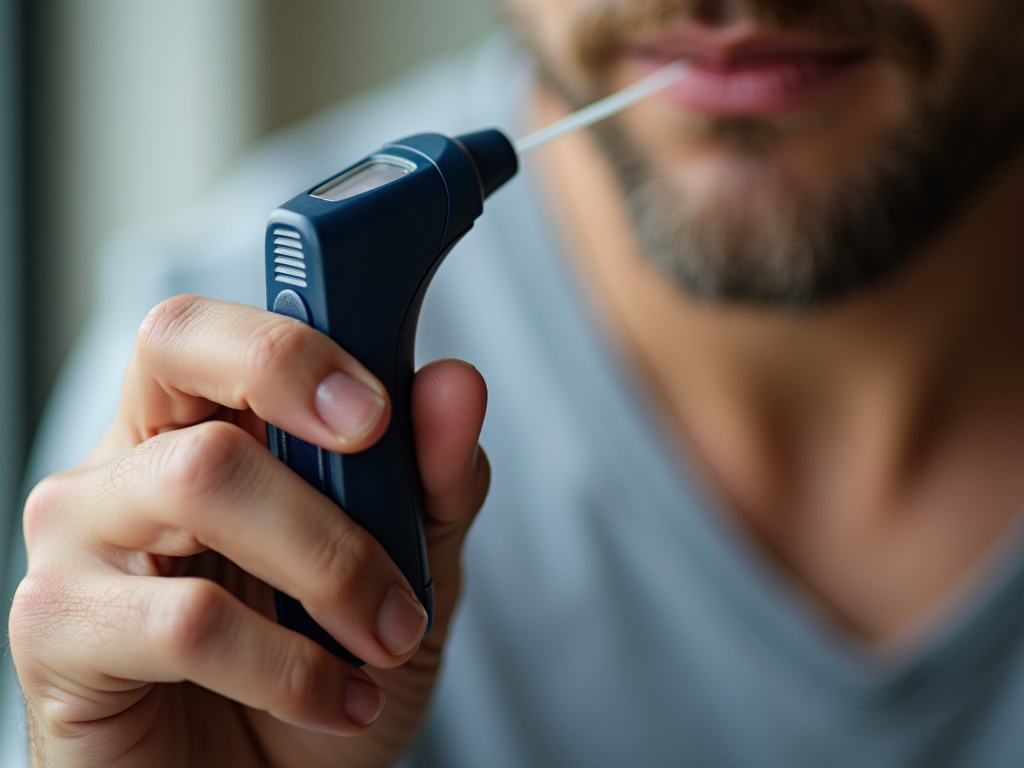
The driving, a seemingly simple act of getting behind the wheel after imbibing alcohol, presents an array of risks that are both immediate and far-reaching. While many are aware of the legal consequences, understanding the true dangers is important. The National Highway Traffic Safety Administration (NHTSA) reports that in 2020, 10,142 people lost their lives in alcohol-impaired driving crashes—a figure that underscores the gravity of the issue. This figure, though tragic, is a stark reminder of the imminent danger that the driving poses to both the driver and others on the road.
Beyond the legal repercussions, which can include hefty fines and license suspension, the driving has profound community impacts. Road traffic accidents (RTAs) caused by impaired drivers often result in severe personal injuries or fatalities, leaving families and communities scarred. According to a 2019 study, the cost of RTAs linked to alcohol exceeds $42 billion annually, including medical expenses, legal fees, and lost productivity. These accidents are preventable, yet they continue to be a leading cause of avoidable deaths and injuries.
In Los Angeles, the issue is particularly pertinent, with a significant number of DUI (Driving Under the Influence) cases reported each year. The process of dealing with a DUI charge in Los Angeles involves several steps, from initial arrest and booking to court appearances and potential sentencing. Support groups and legal aid organizations play a vital role in assisting individuals through this challenging period. However, it’s important to avoid the pitfalls of the driving. This includes not only understanding the legal limits but also recognizing the signs of intoxication and making responsible choices. A blood alcohol content (BAC) level of 0.08% is the legal threshold in most states, including California, but even lower levels can impair judgment and reflexes. By understanding these risks and making informed decisions, we can collectively work towards reducing the devastating impact of the driving.
Legal Consequences and Penalties
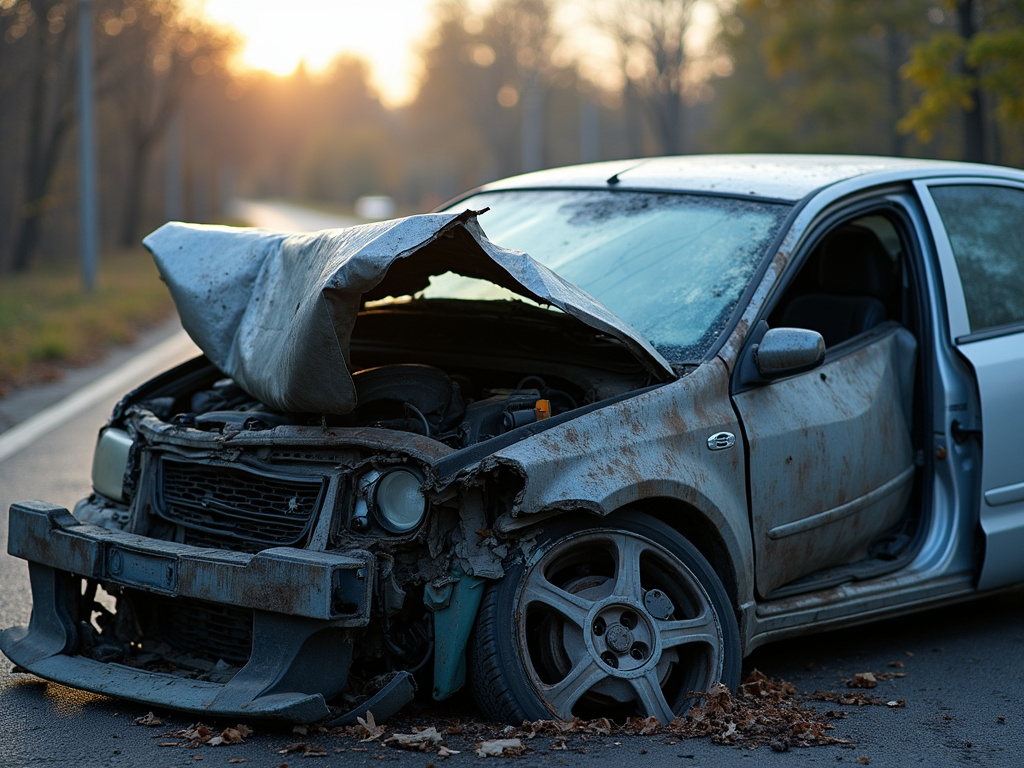
The driving is a serious offense with significant legal consequences and penalties. In Los Angeles, the National Highway Traffic Safety Administration (NHTSA) reports that nearly 40% of fatal traffic accidents involve an impaired driver. The legal process involves multiple steps, each with potential pitfalls.
What to expect from the driving charges in Los Angeles includes a thorough investigation, field sobriety tests, and a blood alcohol content (BAC) test. The Imminent Danger Exception allows police to arrest an individual if they pose an immediate threat to public safety, regardless of their BAC level. Penalties can include substantial fines, up to $1,000, license suspension for up to a year, and potential jail time. More severe cases may result in mandatory alcohol education programs or even probation.
The driving process can be complex. In Los Angeles, defendants may face additional challenges due to the city’s high volume of tourist traffic. It’s important to avoid common problems like refusing to take a BAC test, which can lead to automatic penalties. Attempting to negotiate a plea deal without legal counsel is risky, as the system favors the prosecution. Instead, individuals should focus on building a strong defense, which may include challenging the evidence or proving that the initial stop was illegal.
Avoiding the driving-related issues requires a proactive approach. Always plan for a designated driver or alternative transportation if you plan to consume alcohol. If charged, consult an experienced attorney who specializes in DUI laws in Los Angeles. Understanding the legal process and available defenses can significantly mitigate the outcome. Remember, the consequences of the driving are severe, but proactive measures and legal expertise can help minimize their impact.
Prevention Strategies and Public Awareness
The National Highway Traffic Safety Administration (NHTSA) estimates that alcohol-impaired driving causes nearly 30% of all fatal traffic crashes in the U.S. Every day, lives are lost and communities are forever changed due to the driving. Prevention strategies and public awareness play an important role in combating this devastating issue, especially in densely populated areas like Los Angeles. To begin understanding effective countermeasures, it’s important to ask: what do you need to qualify as the driving in Los Angeles? The legal threshold is a Blood Alcohol Content (BAC) of 0.08% for drivers 21 and older, with significantly stiffer penalties for younger, novice drivers.
Los Angeles has seen the devastating consequences of the driving firsthand, with a notable spike in road traffic accidents (RTAs) linked to alcohol impairment. To combat this, the city has implemented various strategies, including high-visibility DUI checkpoints and solid public education campaigns. These efforts are not just about enforcement; they’re a multifaceted approach that includes community outreach and support groups for those affected by impaired driving. Local support groups provide a safe space for victims and their families to share experiences and heal, while also promoting awareness about the long-term impacts of the driving.
Public awareness plays a critical role in dissuading potential drunk drivers. Educational initiatives highlight the financial costs—often astronomic fines and legal fees—and personal consequences of getting behind the wheel while intoxicated. Consider the financial burden: a single DUI conviction in Los Angeles can result in fines exceeding $10,000, not to mention the potential loss of employment and increased insurance premiums. Is the driving worth the risk in Los Angeles? Absolutely not. The data is clear: the driving is not only dangerous, it’s also highly preventable through a combination of strong laws, effective enforcement, and a culture that prioritizes safety over recklessness. To ensure positive change, it’s important to choose responsible driving over the allure of impulsive risk-taking.
Frequently Asked Questions About Drunk Driving
What is considered a legal blood alcohol limit (BAC)?
In many countries, the legal limit is 0.08% for drivers aged 21 and over. For those under 21, the limit is typically 0.00% or strict zero tolerance, with severe penalties for even minimal alcohol levels. Exceeding this limit increases the risk of accidents and carries legal consequences, including fines, license suspension, and potential jail time.
How much alcohol can I drink before it’s illegal to drive?
The amount of alcohol that makes driving illegal varies by jurisdiction. As a general guideline, having just one drink (12 oz beer, 5 oz wine, or 1.5 oz hard liquor) can raise your BAC above the legal limit for a 150-lb person. This varies based on body weight, gender, and metabolism, but a single drink is a significant risk factor.
What are the penalties for a first-time the driving offense?
The penalties are severe and can include fines of $500-$2000, license suspension for up to a year, and mandatory alcohol education or treatment programs. In some jurisdictions, a first offense may also result in jail time, especially if the BAC was significantly above the legal limit or if an accident occurred.
Can I still drive if my BAC is below the legal limit?
Even with a BAC below the legal limit, impaired driving skills can be affected. Reaction times, judgment, and coordination may still be compromised. It’s never safe to drive after consuming alcohol; the best policy is to plan for a designated driver or alternative transportation.
How does the legal limit differ for commercial drivers?
Commercial drivers often face stricter rules, with a zero-tolerance policy for alcohol. In the U.S., the legal BAC limit for commercial drivers is 0.04%, significantly lower than the limit for regular drivers. This reflects the higher risks associated with operating large vehicles while impaired.
What are the long-term effects of the driving on a person’s life?
The driving can lead to severe legal consequences, including lengthy license suspensions or revocations, fines, and jail time. It can also damage relationships, impact employment prospects, and result in costly insurance premiums. Most importantly, it puts lives at risk and carries an ongoing risk of recurrence.
The driving is a critical issue with significant legal, community, and personal consequences. Understanding the risks is paramount; according to the National Highway Traffic Safety Administration (NHTSA), driving under the influence (DUI) accounts for nearly a third of all fatal traffic accidents in the US. The legal field, guided by DUI laws, imposes severe penalties, including substantial fines and potential jail time, with the imminent danger exception as a safety net. Prevention strategies, however, offer hope. Public awareness campaigns, combined with targeted checkpoints, have shown effectiveness in deterring reckless behavior.
Key takeaways are clear: education and enforcement are powerful tools in the fight against the driving. Support groups and community initiatives play an important role in helping individuals make responsible choices. Moving forward, leveraging these insights can lead to more effective policies, increased public vigilance, and ultimately, fewer road traffic accidents (RTAs) related to DUI. By embracing these strategies, we can contribute to safer communities and reduce the devastating impacts of the driving.
Omega Law Group Accident & Injury Attorneys
704 S Spring St #1105, Los Angeles, CA 90014
+12138163691
Website: omegalaw.com
View Omega Law Group Accident & Injury Attorneys on Google Maps
How to get to Omega Law Group Accident & Injury Attorneys from Hollywood Walk of Fame
Starting near Hollywood Walk of Fame? Omega Law Group Accident & Injury Attorneys is a short drive away. Head out on Hollywood Boulevard and you'll find us on S Spring St #1105 at 704 S Spring St #1105, Los Angeles, CA 90014. Use the map below for turn-by-turn directions.