Key Takeaways
- Impaired driving abilities significantly increase the risk of accidents and endanger not only the driver but also passengers and other road users.
- Blood alcohol content (BAC) levels as low as 0.02% can impair judgment and coordination, impacting reaction times and decision-making.
- Legal consequences for drunk driving include heavy fines, license suspension, and potential jail time, in addition to potential civil liabilities.
- Public education and awareness campaigns play a crucial role in deterring drunk driving by highlighting the risks and consequences.
- Designated drivers and ride-sharing services offer viable alternatives to driving under the influence, promoting safer choices for celebrations and social events.
- Rehabilitation programs and support groups can help individuals struggling with alcohol addiction, offering long-term solutions to prevent future instances of impaired driving.
At a glanceDrunk driving is operating a vehicle after consuming alcohol, which impairs judgment and reflexes. It’s illegal and dangerous, putting the driver, passengers, and others on the road at risk. This behavior can lead to severe accidents, injuries, and even fatalities. Always remember, never drive if you’ve been drinking.
Drunk driving remains a persistent and dangerous issue globally, with profound implications for public safety. It’s a complex problem that demands our attention, as it claims countless lives and causes devastating injuries each year. This article delves into the multifaceted nature of drunk driving, exploring its root causes, devastating consequences, and the crucial role of prevention strategies. We’ll examine successful interventions, highlighting the importance of education, enforcement, and support systems in creating a safer road environment. By understanding these elements, we can collectively work towards a future where drunk driving is a distant memory.
Drunk Driving Accident Lawyer in Los Angeles: Where to Start
Looking for drunk driving accident lawyer in Los Angeles, LA? Omega Law Group Accident & Injury Attorneys serves the local area and can answer questions specific to Los Angeles.
Understanding the Risks of Drunk Driving
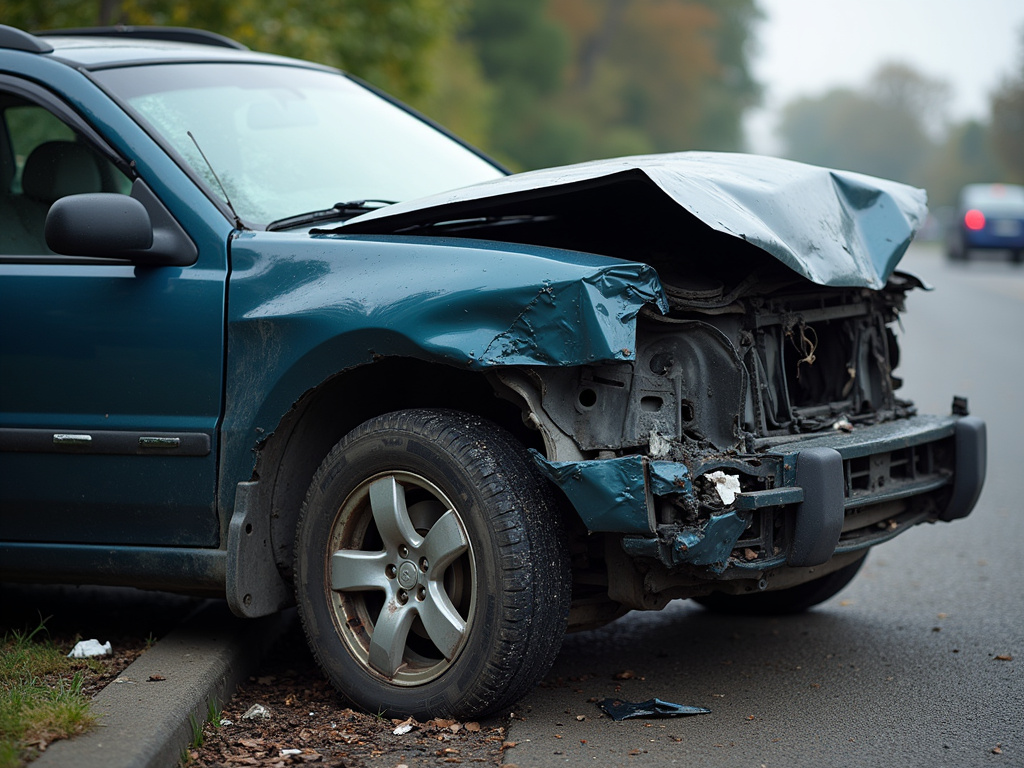
Drunk driving, a reckless act with profound consequences, involves operating a vehicle while impaired by alcohol. Understanding the risks associated with this behavior is paramount in preventing devastating accidents and loss of life. In Los Angeles, as in many urban centers, the consequences of drunk driving are severe, with stringent laws and strict penalties in place to deter such behavior.
The risks of drunk driving are multifaceted. According to the National Highway Traffic Safety Administration (NHTSA), impaired drivers are 23 times more likely to be involved in a fatal crash compared to sober drivers. This risk escalates with the amount of alcohol consumed. In Los Angeles, where a significant proportion of residents drive, the impact of drunk driving is particularly concerning. Not only does it endanger the impaired driver, but it also poses a grave risk to passengers, other motorists, and pedestrians.
To combat this issue, Los Angeles offers alternatives to drunk driving, such as designated drivers, ride-sharing services, and public transportation. Identifying these alternatives is crucial for making responsible choices. Additionally, understanding the qualification criteria for sober driving, like maintaining a clean driving record and adhering to blood alcohol content (BAC) limits, is essential. In Los Angeles, a typical BAC limit for driving is 0.08%, meaning individuals can face legal repercussions if their blood alcohol content exceeds this threshold, usually after just 1-3 drinks, depending on factors like body weight and gender.
In conclusion, while drunk driving may seem like a quick solution, the risks are severe and far-reaching. Los Angeles residents should be aware of the alternatives available to them and the qualifications needed to drive sober, ensuring not only their safety but also that of their communities.
Legal Consequences and DWI Penalties
Drunk driving, a reckless act with severe consequences, is a significant issue in Los Angeles and across California. The legal repercussions of driving under the influence (DUI) or drunk driving are stringent, reflecting the state’s zero-tolerance policy towards endangering public safety. In Los Angeles, what do you need to qualify for Drunk Driving? Unfortunately, if your blood alcohol content (BAC) is 0.08% or higher, you will face severe penalties, as California has adopted a strict .08 BAC legal limit. This threshold applies regardless of age, with exceptionally harsher consequences for commercial drivers.
Choosing a qualified and reputable provider for assistance during these challenging times is crucial. In Los Angeles, there are numerous options, but selecting the right Drunk Driving provider requires careful consideration. You’ll want an attorney experienced in DUI defense who understands the local legal landscape. This expert can navigate the complex court system, guide you through the potential charges, and help mitigate the penalties. For instance, a skilled attorney might argue for reduced charges or lesser sentences based on individual circumstances.
The decision to accept a plea deal or fight your charges is another critical aspect of navigating Drunk Driving in Los Angeles. While pleading guilty may seem faster and easier, it’s important to weigh the potential consequences of each choice. Is Drunk Driving worth it in Los Angeles? The risks far outweigh any perceived benefits. Long-term penalties include substantial fines, license suspension or revocation, mandatory alcohol education programs, and even jail time. Additionally, a DUI conviction can significantly impact your insurance rates for years. Therefore, seeking professional guidance is essential to understanding the full scope of potential outcomes.
Prevention, Intervention, and Recovery Strategies
Drunk driving is a significant issue in Los Angeles and throughout the nation, with severe legal, health, and safety consequences. Prevention, intervention, and recovery strategies are crucial components in combating this problem. Understanding what alternatives to drunk driving exist in Los Angeles is a critical first step. Public transportation, ride-sharing services, designated drivers, and personal vehicles for sober individuals are all viable options to consider, especially in a metropolis like LA known for its hustle and bustle.
Intervention strategies play a pivotal role in deterring individuals from engaging in drunk driving. Law enforcement efforts, such as increased sobriety checkpoints and strict penalties, have shown effectiveness in reducing incidents. Educational campaigns aimed at raising awareness about the dangers of drunk driving, along with personal stories and data on the risks, can significantly influence behavior. For instance, according to the National Highway Traffic Safety Administration, in 2020, 10,142 lives were lost in alcohol-impaired driving crashes across the United States, highlighting the urgent need for intervention.
Recovery strategies are equally important, offering support for those who have made the choice to stop drinking and avoid future drunk driving incidents. Rehabilitation programs, support groups, and counseling services are valuable resources that can help individuals address underlying issues contributing to their drinking habits. What to expect from the recovery process varies greatly from person to person, but it often involves significant lifestyle changes and personal growth. For instance, a person might initially face challenges like managing cravings, rebuilding social connections, and learning new coping mechanisms, but with the right support, they can achieve long-term sobriety.
In Los Angeles, the problem of drunk driving is complex, but by understanding the alternatives, implementing effective intervention strategies, and providing robust recovery support, substantial progress can be made. What problems should you avoid with drunk driving in Los Angeles? The consequences can include severe legal penalties, personal injury or death, and long-term negative impacts on health and relationships. Therefore, it’s essential to recognize the risks and take proactive steps to ensure safety on the roads, both for yourself and others.
Frequently Asked Questions About Drunk Driving
What is drunk driving and why is it dangerous?
Drunk driving, also known as driving under the influence (DUI), is operating a vehicle while impaired by alcohol or other drugs. It is incredibly dangerous due to the reduced reaction time, impaired judgment, and distorted vision that alcohol consumption causes. This significantly increases the risk of accidents, often with severe consequences, including injuries and fatalities.
What are the legal implications of drunk driving?
Many jurisdictions have strict laws against drunk driving, with penalties ranging from fines, license suspension, to imprisonment. The exact penalties depend on the country, state, or region, and the number of previous offenses. Repeated offenders often face severe penalties and may be required to complete rehabilitation programs.
How do law enforcement officers determine intoxication?
Law enforcement uses several methods to determine if a driver is intoxicated. These include field sobriety tests, which assess balance and coordination, and breathalyzer tests, which measure the alcohol content in a person’s breath. Blood tests can also be administered to obtain a more precise measurement of blood alcohol concentration (BAC).
What is the legal limit for blood alcohol concentration (BAC)?
The legal BAC limit varies by country and region. For example, in the United States, it is typically 0.08% for drivers aged 21 and older. For commercial drivers or drivers under 21, the limit is usually lower, often 0.03% or 0.04%.
Can I drive after consuming small amounts of alcohol?
No, it’s never safe to drive after consuming any amount of alcohol. Even small amounts can impair your judgment, reflexes, and coordination, significantly increasing the risk of an accident. It’s best to plan for a designated driver or alternative transportation if you’ve been drinking.
What resources are available for those struggling with alcohol dependency?
If you or someone you know is struggling with alcohol dependency, there are numerous resources available. Support groups, counseling, and rehabilitation centers can provide help. Many countries have dedicated helplines and organizations dedicated to assisting individuals with substance abuse issues.
Drunk driving, a serious and pervasive issue, carries profound risks and legal repercussions. Understanding the dangers, as highlighted in this article, is a critical first step. Key insights include the severe consequences of impaired driving, the legal penalties that can severely impact a person’s life, and the importance of prevention and intervention strategies. It is imperative to recognize that drunk driving not only endangers the driver but also poses significant risks to others on the road. By adopting prevention measures, seeking support for intervention, and fostering recovery, individuals can break the cycle of impaired driving. This article equips readers with knowledge and encourages proactive measures to ensure safer roads and personal accountability, ultimately reducing the devastating impact of drunk driving.
Omega Law Group Accident & Injury Attorneys
704 S Spring St #1105, Los Angeles, CA 90014
+12138163691
View Omega Law Group Accident & Injury Attorneys on Google Maps
How to get to Omega Law Group Accident & Injury Attorneys from Griffith Park
If you're over by Griffith Park, you're only a few minutes from Omega Law Group Accident & Injury Attorneys. Head out on Los Angeles and you'll find us on S Spring St #1105 at 704 S Spring St #1105, Los Angeles, CA 90014. Use the map below for turn-by-turn directions.