Key Takeaways
- Impaired driving can have severe consequences, including accidents, injuries, and legal penalties, with life-altering impacts.
- Blood alcohol content (BAC) limits are set for a reason; exceeding them significantly increases risk to yourself and others.
- Choosing a designated driver or using ride-sharing services is a responsible way to enjoy events without endangering lives.
- The cost of drunk driving extends beyond fines, often including legal fees, insurance increases, and potential job loss.
- Public awareness and strict enforcement play vital roles in reducing drunk driving incidents and saving lives.
- Recovery and support services exist for those struggling with addiction, offering a path to overcoming substance abuse.
- Preventing drunk driving is a shared responsibility, requiring individual vigilance and community awareness.
At a glanceDrunk driving is operating a vehicle after consuming alcohol. It impairs judgment, reflexes, and coordination, significantly increasing the risk of accidents, injuries, and even death. It’s illegal across most countries, with strict penalties to deter individuals from endangering themselves and others on the road.
Drunk driving remains a pervasive and tragic issue globally, exacting a devastating toll on public safety. This phenomenon, characterized by operating a vehicle while impaired by alcohol, poses a significant risk not only to the driver but also to passengers, other road users, and bystanders. Despite ongoing public awareness campaigns and stricter laws, instances of drunk driving persist, highlighting the need for deeper understanding and more effective countermeasures. This authoritative piece delves into the multifaceted problem of drunk driving, examining its causes, consequences, and, most importantly, exploring evidence-based strategies for prevention.
Drunk Driving Accident Lawyer in Los Angeles: Where to Start
Looking for drunk driving accident lawyer in Los Angeles, LA? Omega Law Group Accident & Injury Attorneys serves the local area and can answer questions specific to Los Angeles.
Understanding the Risks of Drunk Driving
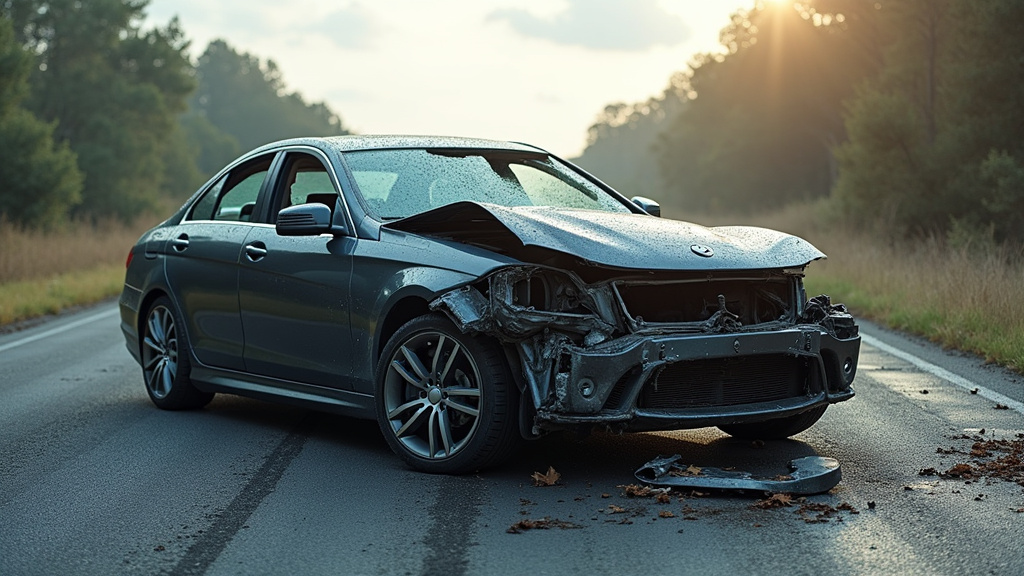
Drunk driving is a complex issue that goes beyond the legal implications. Understanding the risks involved is paramount in preventing tragic outcomes. In Los Angeles, where the bustling city life often encourages late-night outings, the dangers of getting behind the wheel after consuming alcohol are magnified. What many don’t realize is that the effects of drunk driving can manifest in various ways, not immediately apparent but no less severe.
The risk period for drunk driving isn’t merely the moment an individual steps into a vehicle while intoxicated; it encompasses the entire process of consuming alcohol and subsequent decision-making. In Los Angeles, where the average time spent driving is approximately 22 minutes, the impact can be substantial. Studies show that even after just one drink, reaction times slow down, and judgment becomes impaired. This can lead to poor decisions, such as speeding or running red lights, which significantly increase the likelihood of accidents. The longer the period of intoxication, the higher the risk, with effects potentially lasting up to 24 hours, depending on factors like body weight and metabolism.
Moreover, drunk driving doesn’t just endanger the driver; it poses significant risks to passengers, other motorists, and pedestrians. In Los Angeles, where traffic congestion is a familiar sight, the consequences can be especially devastating. Data indicates that accidents involving drunk drivers result in severe injuries and fatalities at a disproportionately higher rate. Understanding these risks is crucial for implementing effective prevention strategies, such as designated drivers, ride-sharing services, or public transportation alternatives. By recognizing the potential for impaired judgment and the subsequent dangers, individuals can make informed choices, ensuring their safety and that of others on the road.
Laws and Consequences: Drunk Driving Penalties
Drunk driving laws and penalties are designed to deter individuals from operating a vehicle while impaired and to protect public safety. In Los Angeles, as in many jurisdictions across the United States, these laws are stringent and the consequences can be severe. When faced with a drunk driving charge, what can one expect from the process?
The Drunk Driving penalty structure in Los Angeles involves several stages. Initially, law enforcement officers will conduct a traffic stop based on reasonable suspicion of impairment. This may involve field sobriety tests and a breath or blood test to determine the individual’s blood alcohol content (BAC). If the BAC exceeds the legal limit of 0.08%, the driver can face a variety of charges, including a misdemeanor or felony, depending on prior convictions and the specifics of the case. The process can take several hours, if not days, to unfold, with initial booking, court appearances, and potential pretrial programs or interventions.
The long-term effects can be significant. Convictions lead to license suspension or revocation, hefty fines, and potential jail time. Additionally, individuals may face increased insurance premiums, restrictions on future vehicle ownership, and permanent criminal records. For example, a 2022 report from the California Office of Traffic Safety showed that 75% of traffic fatalities involved impaired driving, highlighting the severity of the issue. To avoid these outcomes, it’s crucial to understand the laws and never drive under the influence. If charged, consulting with a legal professional experienced in Drunk Driving defense is advisable to navigate the system and mitigate potential penalties.
Prevention and Safe Alternatives to Drinking and Driving
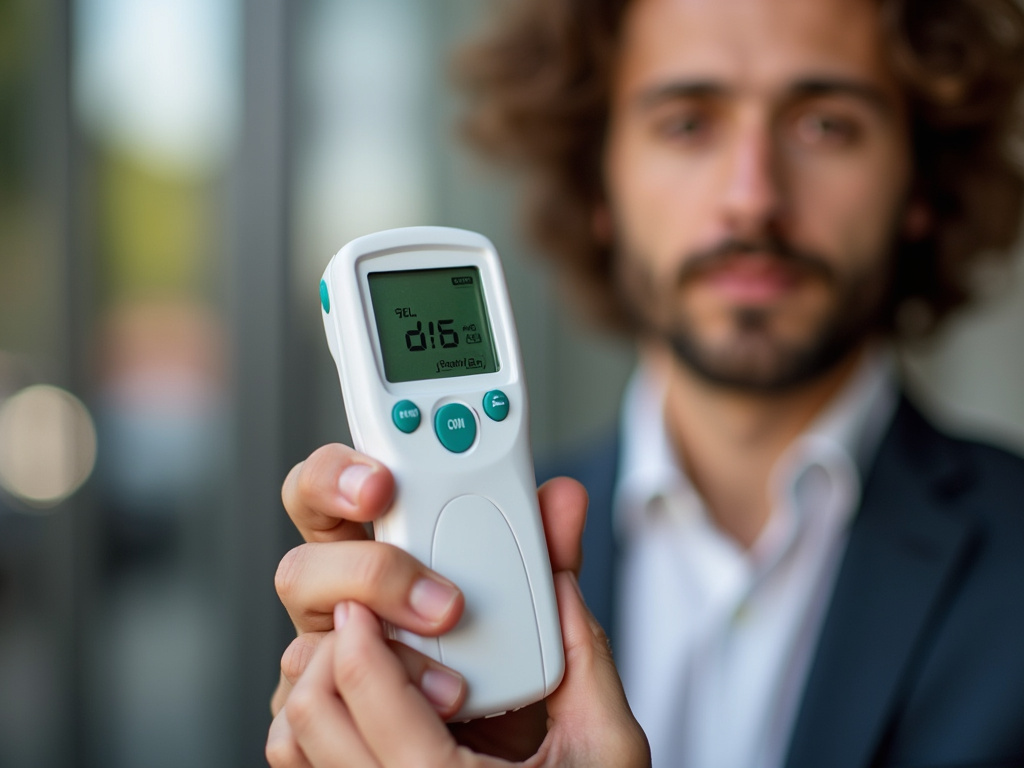
Drunk driving remains a significant concern in Los Angeles and across the nation, with severe legal and personal consequences. Prevention is paramount, and understanding safe alternatives to drunk driving is crucial for individuals and communities. In Los Angeles, qualifying for drunk driving (also known as driving under the influence, or DUI) is based on blood alcohol content (BAC) levels—0.08% for adults and 0.02% for commercial drivers. Exceeding these limits is illegal and significantly increases the risk of accidents and injuries.
Alternatives to drunk driving are abundant and accessible in Los Angeles. Ride-sharing services like Uber and Lyft offer convenient and safe transportation options, ensuring individuals can enjoy beverages without compromising their safety or facing legal repercussions. Public transportation, including buses and subway systems, provides affordable and efficient alternatives. Additionally, designated drivers—friends or family members who remain sober—are a reliable choice for those who plan to consume alcohol. Many apps and services now facilitate connections between drinkers and designated drivers, making this option more accessible than ever.
Choosing a drunk driving prevention provider or service in Los Angeles involves considering several factors. Look for reputable organizations with proven track records in education, intervention, and support. Check for community partnerships and involvement, as well as successful client outcomes. Some providers offer educational workshops, awareness campaigns, and resources for individuals and groups at risk. Utilizing these services can help foster a culture of responsible drinking and reduce instances of drunk driving. Data indicates that such interventions can significantly lower recidivism rates, underscoring their importance in maintaining safe roads and communities.
Frequently Asked Questions About Drunk Driving
What is drunk driving?
Drunk driving, also known as driving under the influence (DUI) or driving while impaired (DWI), is operating a motor vehicle with a blood alcohol content (BAC) above the legal limit. This impairs judgment, reflexes, and coordination, increasing the risk of accidents and severe consequences.
What is the legal blood alcohol limit?
The legal blood alcohol limit varies by jurisdiction but is generally 0.08% for adults. For commercial drivers or minors, the limit is often stricter, at 0.02% or 0.00%. Exceeding this limit is considered illegal and can lead to severe penalties, including fines, license suspension, and imprisonment.
What happens if I am caught driving drunk?
If stopped and found to be above the legal limit, you may face immediate arrest, vehicle impoundment, and fines. You’ll also be required to attend court, where a judge may impose a license suspension, community service, or even jail time. A criminal record for DUI can significantly impact future employment and travel opportunities.
Can I drive after drinking a small amount?
Even a small amount of alcohol can elevate your BAC above the legal limit, especially if you’re a beginner driver or have certain medications. It’s best to avoid driving after any alcohol consumption to ensure your safety and that of others on the road.
What are the long-term effects of a DUI conviction?
A DUI conviction can have lasting consequences, including high insurance premiums, difficulty finding employment, and restrictions on travel, especially for international jobs or travel. It can also lead to enhanced penalties if caught again, making it crucial to understand the gravity of the offense.
How can I protect myself from a false accusation?
If suspected of drunk driving, remain calm and polite. Refuse to take field sobriety tests unless legally required, as these can be subjective. Always request a blood test, as it provides the most accurate BAC reading. Consult a legal professional experienced in DUI defense for the best course of action.
Drunk driving is a pervasive issue with severe consequences, underscoring the critical importance of understanding its risks, laws, and prevention strategies. Key insights reveal that while penalties serve as deterrents, the primary focus should be on promoting safe alternatives. Individuals must recognize the potential for impaired judgment and take responsibility for their well-being and that of others on the road. By adopting designated drivers, public transportation, or ride-sharing services, we can collectively reduce the prevalence of drunk driving and ensure safer communities. This article serves as a comprehensive guide, empowering readers to make informed decisions and take proactive measures against this dangerous behavior.
Omega Law Group Accident & Injury Attorneys
704 S Spring St #1105, Los Angeles, CA 90014
+12138163691
Website: omegalaw.com
View Omega Law Group Accident & Injury Attorneys on Google Maps
How to get to Omega Law Group Accident & Injury Attorneys from Gloria Molina Grand Park
Driving in from Gloria Molina Grand Park? Omega Law Group Accident & Injury Attorneys is close by. Head out on N Grand Ave and you'll find us on S Spring St #1105 at 704 S Spring St #1105, Los Angeles, CA 90014. Use the map below for turn-by-turn directions.